Before our call.
4 minute read · everything is on this page
What a record is, what counts as qualified, what it costs, and who it doesn't work for. It's all here, so the call can be about your box instead of my process.
The price is in section 05, after the part that explains why it costs that.
01 New borrowers, before anyone else has priced them
You live and die by new originations. The good referral sources already have somebody. And by the time a file finds its own way to you, it's been shopped.
Consistent qualified deal flow is the hard part.
So the week goes on the hunt. Pounding data. Calling around. A list somebody sold you as fresh that forty other shops are dialling the same week.
And when a file does come in through the usual channels it's been passed on at least once. You're quoting somebody else's decline.
What you want to land in your inbox is closer to "call John, he's buying our XYZ for $250,000."
An owner who's about to borrow, who told you what for and said yes to hearing from you, before the paper exists and before the last broker got to him.
I sell that. Ten at a time, priced per record, and you grade every one.
02 A record. Ten at a time or more, and they're yours.
Every record is one owner I found and wrote to in your name, who wrote back saying what they want to finance and yes to a conversation with you.
- You give me your box. What you'll lend against and what you won't, ticket size, states, time in business. The same thing you'd tell a new broker on his first day.
- I build the list off that and go at it in your name, with copy you've read first. Every reply lands with me, and I handle the back and forth until there's a yes or a no.
- A yes becomes a record. Their reply, in their words. What they're looking to finance, a truck, a machine, a collection they'd borrow against, whatever they typed. And that they'll take a conversation with you. It's in your inbox the same day.
- You work it. Your inbox, your clock. No calendar of mine to sit in, and nobody else gets the name.
From you I need the box, one read of the copy, and your existing borrower list so I never send to somebody you've already funded.
Step three is the whole product, so it gets a definition you can hold me to.
03 Written down before anything sends. You hold the pen after.
Pay per record and the seller has every reason to send you anything with a pulse. Every lead vendor you've used had that incentive, and you found out what it did to the list. So the definition gets agreed in writing before a single email goes out, and it's yours to grade against, not mine to bend.
Your lead contracts already carry an invalid-lead clause. This is that, with the definition set by you and the replacement on your word instead of after a dispute.
- The owner or principal, by name, at a company inside your box.
- An email I verified before I sent to it, and the reply came from it.
- They said what they want to finance, in their own words. The reply is in the record.
- They said yes to a conversation with you. "Send me some info" doesn't count.
- New to you. Nobody already on your book or in your pipeline.
- Whatever you won't touch. You give me the list, it goes in the definition, and anything from it never becomes a record.
Three things that are not in a record, because I don't control them and you'd find out on record one anyway.
- Owner by name, verified email.
- Inside your box on collateral, ticket, state, time in business.
- What they said they want to finance.
- A yes to your call.
- A phone number on every record. I go after one on all of them and get it most of the time, but I won't promise it on all ten. The one thing I can promise is the email they answered from.
- Their credit, or a look at the asset. I can't see either. What I can send is what they told us they want to borrow against.
- A guaranteed amount and timeline. Only where they volunteered it. Some will write the number and the month. Some will write "a truck". Both count if they're in your box.
Better you read those three here than find them on the first record.
Next thing you'd ask is whether any of this has worked.
04 No lender case study yet. Two things you can check anyway.
I don't have a lender who bought this unit and funded a deal off it. I'd rather tell you that than dress somebody else's result up as yours.
And one on camera, named. Anisa runs growth at BlueSteps. She goes through the numbers herself.
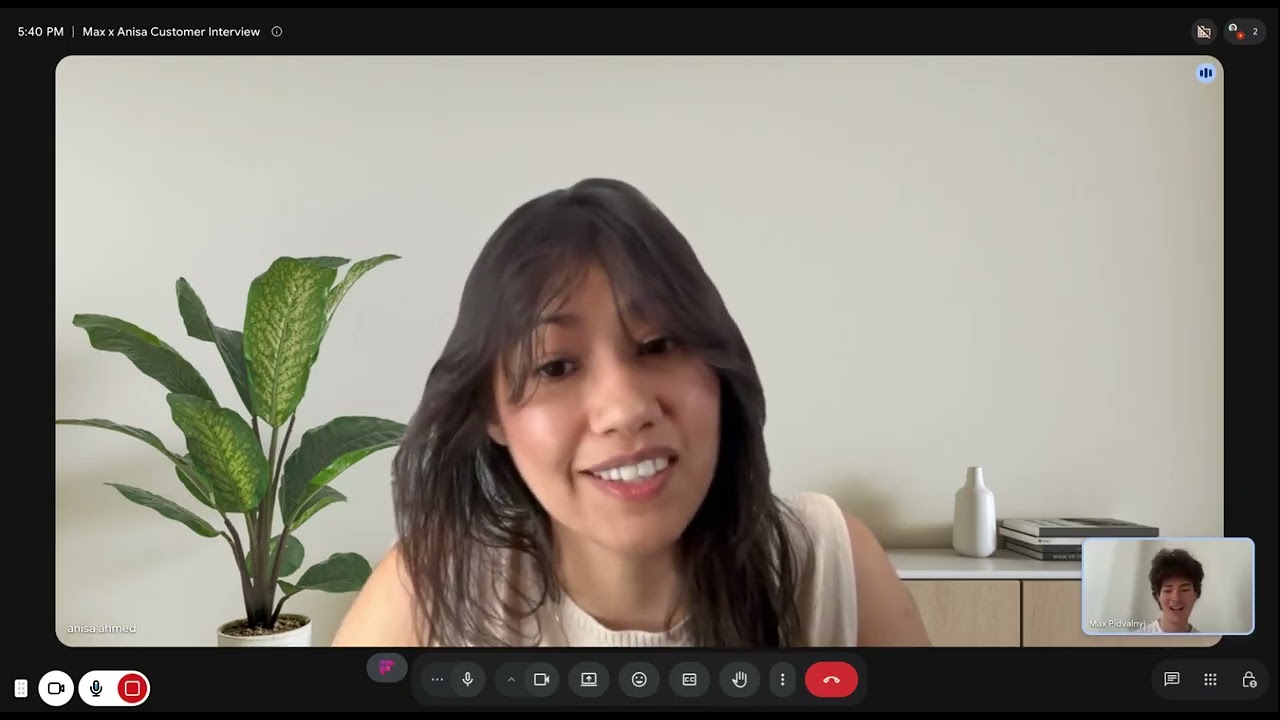
About 15 clients this past year. None of them lenders:
If I had a lender number I'd show it. Until I do, the risk sits with me per record. Definition in writing, misses replaced.
So, what that costs.
05 What it costs
What the $200 buys you, per record:
- The owner by name, inside your box, with an email I verified.
- Their reply, in their words, saying what they want to finance.
- A yes to a conversation with you specifically.
- The name goes to nobody else. It never sits in a pool, so there's nothing to resell.
- Misses the definition, you say so, it's replaced free.
The list, the sending domains, the warmup, the verification, the copy and every reply I handle to get to that yes are inside the $200. Nothing on top.
Put it next to what you buy now. Raw trigger data is pennies, five to ten cents a name, and forty people have the same file. Calling UCCs and buying trigger data is an older approach, and the shops still doing it aren't making much off it. An exclusive lead with bank statements runs about $75 and turns up with no conversation attached, so you still have to get him on the phone. And "exclusive" there means whatever the seller says it means, because there is no way to prove otherwise.
These cost more because the person in the record already said yes to you, by name, and nobody else has the name.
Then do your own arithmetic. Ten records is $2,000. You know what one funded deal is worth to you in year one. Put those two numbers next to each other. If one of the ten funds, the other nine can go nowhere and you're still well ahead. Ten is the smallest I'll take so you can find that out on $2,000 rather than on a year of retainer, and you can order any size above it once you've seen what a record looks like.
- You set the size, ten and up. Buy again or don't. No retainer.
- Your records are yours alone.
- Your full count inside 30 days. Short at day 30 and you get 25% more on top, free.
- Your box locked in writing. Your existing borrower list handed over so nobody you've funded gets an email. The target list and the first copy in front of you.
- Sending set up and warmed, list verified, first emails out. What you watch here is reply rate.
- Records land as replies come in. Work each one the day it lands, a yes cools fast.
No promised date for your first record. Anyone promising you week one is guessing, or about to burn your name across your own market.
06 What you're probably thinking
- Right. And if a seller had really great leads he wouldn't be selling them. True of any pool. These aren't from a pool. The name doesn't exist anywhere until I write to him in your name and he writes back to you. There's nothing to resell because there was nothing before your campaign. If you ever see one of your records anywhere else, that's a miss, and it gets replaced.
- Everything I can screen is screened before the email goes out. Industry, state, ticket, time in business, what they'll put up. Somebody outside that never becomes a record, and if one slips through it's replaced. What I can't screen is credit. So a record can still die in underwriting, same as a referral from your best vendor can. What it can't be is somebody who never said yes to you, or somebody outside your box. That's the part your closer was spending the hour on, and it's done before it reaches him.
- No on the rev share. Per funded deal means I'd need to see your credit decisions and trust your reporting on which ones closed, and you'd need to want me anywhere near your underwriting. Neither of us wants that. So the split is simple. I carry the finding risk, you carry the credit risk. And the upfront isn't hefty. Two grand, once, no retainer, and every record that misses the definition gets replaced on your say-so.
- I don't have one and I won't make one up. This unit is new for us. The $75-lead guys quote around 16% approval, and I'm not borrowing their number either, it's a different thing. What I can show you is exactly what's in a record and what happens when one misses, both written above. After the first ten you'll have a rate on your own box, and that's the only one worth anything.
07 Who this is not for
One thing to hear before you decide, because it isn't in my favour.
Every record is somebody who wants to talk to you about borrowing. Whether they clear your box on credit, or on what they're putting up, is your call, and I have no way of seeing it before you do. If what you want is paper that arrives pre-approved, this is the wrong purchase, and better you read it here than hear it on the call.
The phone number is best effort. I chase one on every record and land it more often than not, but some records will reach you with an email and nothing else. They answered by email, so that's where it starts either way. Most of this business already runs without meeting anyone. Phone, email, Zoom, and getting the deal packaged right. If your guys won't open a thread with somebody who already said yes, this will frustrate you.
- You'll work a record from your inbox the day it lands, phone number or not.
- You can tell me your box in a paragraph. Collateral, ticket, states, time in business.
- You can hand over your existing borrower list so I don't email anyone you've already funded.
- One funded deal is worth a lot more to you than ten records cost.
- You want paper that arrives pre-underwritten.
- Your team only works a lead by phone and needs a number on every single one.
- You want it priced per funded deal. I take the sourcing risk, you take the credit risk.
- You need a result by a hard date. I told you why I won't promise one.
If that second list is you, skip the call and save us both twenty minutes. No hard feelings.
08 On the call
20 minutes, four parts.
- A few questions from me. Your box. What one funded deal is worth to you in the first year. Where your deals come from today, and what one costs you to find.
- What I'd do for you specifically. Your collateral, your states, your ticket, and how I'd build the list off that.
- Your numbers. What a record is worth to you, and whether ten of them are worth buying.
- Anything you want to ask me.
Then we'll both know if it's a fit. A fair number of these end in not a fit. That's fine by me.
See you on the call.