Before our call.
4 minute read · everything is on this page
What you get, what counts as qualified, what it costs, and who it doesn't work for. It's all here, so the call can be about your box instead of my process.
The price is in section 05, after the part that explains why it costs that.
01 The outcome
Borrowers nobody has shopped yet. Reached before the paper exists, instead of after three other people have priced it.
By the time a deal arrives through the usual channels it has been passed on at least once. So you're quoting somebody else's decline, and the clean paper never reaches you.
You can place a deal in an afternoon. Finding one worth placing is what takes the week.
The usual fix is another originator. That's a salary, a ramp, and a year before you know. Or it's a lead vendor, where you're one of forty people dialling the same list.
Here is the other way to do it.
02 What you get
Records. You buy them ten at a time and you own them outright.
Every record is someone we found and wrote to on your behalf, who wrote back and said yes to a conversation with you.
- You tell me your box. Industries, states, size, time in business, what you'll lend against and what you won't.
- I build the list and go at it in your name, with copy you approved, and handle every reply.
- When someone raises their hand, they become a record and it comes straight to you.
- You work them on your own clock. No calendar to sit in, no show rate to chase, nobody else getting the same name.
That third step is what you're paying for, so it needs a definition.
03 What counts as qualified
If you're paying per record, aren't we incentivised to send you anything with a pulse? That's the real risk here. So the definition gets agreed in writing before anything sends, and it isn't mine to bend afterwards.
- The owner by name, with an email we verified before we sent to it.
- They replied, and they said yes to a conversation with you.
- They're inside the box you set. Industry, state, size band, time in business.
- They're new to you, not somebody already on your book.
- They told us what they want to finance, in their own words.
Three things I won't promise you, because I don't control them and you'd find out anyway:
- Owner by name, verified email.
- Industry, state, size, time in business.
- What they said they want to finance.
- A yes to your call.
- A phone number. Not in this pipeline today.
- Their credit. I can't see it and I won't pretend to. Underwriting stays yours.
- The amount and the timing. Only where the borrower volunteered it.
Fair question at this point: has any of this worked?
04 Proof
No public case study from a lender yet. I'd rather say that than dress somebody else's result up as yours.
Here's what you can check without taking my word for it.
And one on camera, named. Anisa runs growth at BlueSteps. She goes through the numbers herself.
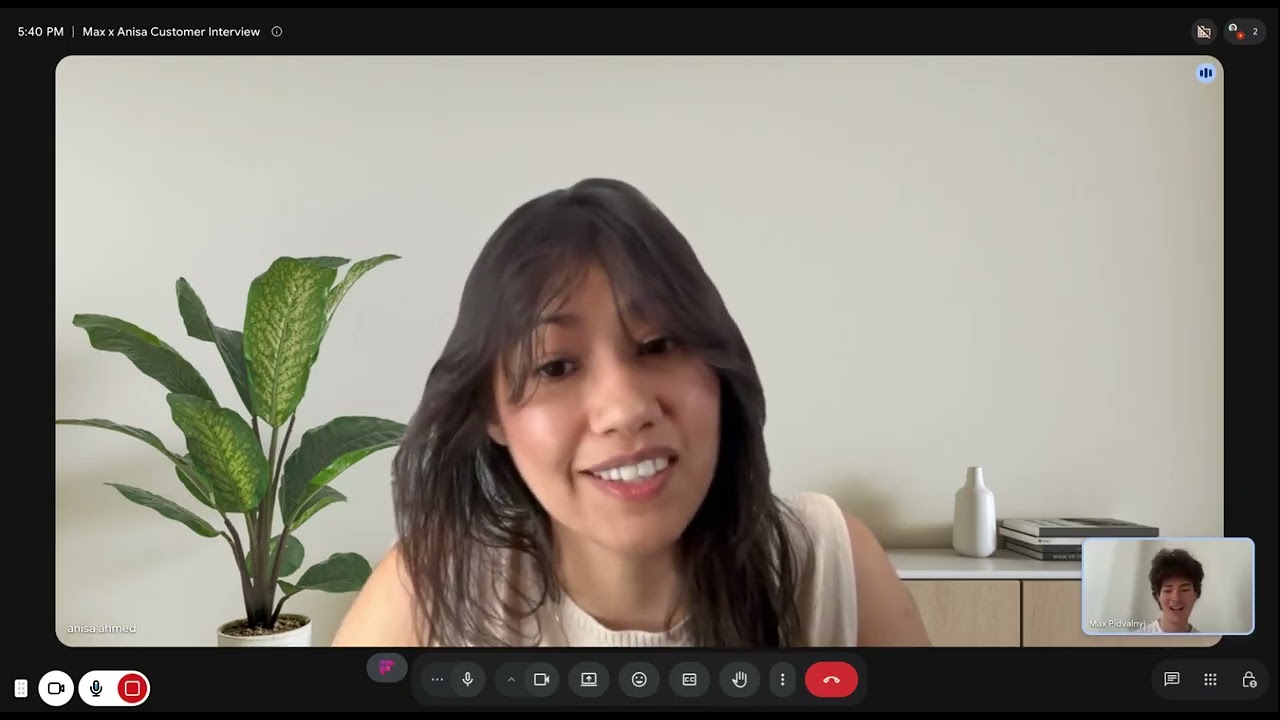
About 15 clients this past year. None of them lenders:
Which is why the definition goes in writing first, and why anything that misses it gets replaced.
So, what that costs.
05 What it costs
What the $200 buys you, per record:
- The owner by name, at a company inside your box, with an email we verified.
- Their reply, in their own words, saying what they want to finance.
- A yes to a conversation with you specifically.
- Nobody else gets that name. Not resold, not recycled, not in anyone else's batch.
- If it misses the definition, you say so and it gets replaced free.
The list, the sending domains, the warmup, the verification, the copy and every reply we handle to get to that yes are all inside the $200. There's nothing on top.
Compare it against what you buy now. Raw trigger data is pennies and forty people have it. An exclusive lead with bank statements runs about seventy five dollars and arrives with no conversation attached. These cost more because somebody already said yes to you by name.
Then do your own arithmetic. Ten records is $2,000. If one funded deal is worth five figures to you, one of the ten landing puts you well ahead and the other nine can go nowhere. That's why I sell it in tens instead of asking you to fund a machine for a year before you know.
- One order at a time. Buy more or don't.
- Your records are yours alone.
- Your full count inside thirty days. Short at day thirty and you get 25% more on top, free.
- Your box locked in writing. Your existing borrower list handed over so we can exclude them. The target list and the first copy in front of you.
- Sending gets set up and warmed, the list gets verified, the first emails go out. What you watch here is reply rate.
- Records land as replies come in. You work each one the day it arrives.
No promised date for your first record. Anyone promising you week one is either guessing, or about to burn your name across your own market.
06 What you're probably thinking
- Most of them are, because the vendor grades their own homework. Here you grade it. The definition gets agreed before anything sends, and anything outside it gets replaced free on your say so.
- They don't exist until we go and find them for you. There's no pool. The list is built to your box, the outreach goes out in your name, and the person who replies is replying to you.
- It's deliberately small. Ten is enough for you to see what a record looks like and work out what one is worth to you, without writing a cheque for a year of something you've never bought. If the first ten do their job you'll want a bigger second order, and that's the right moment to size it.
- I don't have one and I'm not going to invent one. This unit is new for us. What I can tell you is what goes in a record and what happens when one misses, and both are written down above.
07 Who this is not for
One thing to hear before you decide, because it isn't in my favour.
Every record is someone who wants to talk to you about money. Whether they clear your underwriting is your call, and I have no way of seeing their credit before you do.
So if what you want is pre approved paper, this is the wrong purchase and I'd rather you heard it here than on the call.
- You can work a record the day it lands, by email, without a phone number.
- You can tell me your box in one sentence.
- You can hand over your existing borrower list so we can exclude them.
- One funded deal is worth a lot more to you than ten records cost.
- You want records that arrive pre underwritten.
- You need phone numbers to work a lead at all.
- You want this priced per funded deal. I take the sourcing risk, you take the credit risk.
- You need a result by a hard date. I told you why I won't promise one.
If that second list is you, skip the call and save us both twenty minutes. No hard feelings.
08 On the call
20 minutes, four parts.
- A few questions from me. Your box. What one funded deal is worth to you in the first year. Where your paper comes from today, and what it costs you.
- What we'd do for you specifically. Your industries, your states, your collateral.
- Your numbers. What a record is worth to you, and whether ten of them are worth buying.
- Anything you want to ask me.
Then we'll both know if it's a fit. A fair number of these end in not a fit. That's fine by me.
See you on the call.